
Organic Extra Virgin Olive Oil Bulk Supply and Distribution
We provide fine dining restaurants, private label companies, premium quality food manufacturers and exporters with top-tier quality organic extra virgin olive oil from Greece and Spain, certified worldwide. Minimum order quantity (MOQ) is 1,000 Litre (~1 Tonne). Our services include international olive oil shipping to Australia and across the globe.
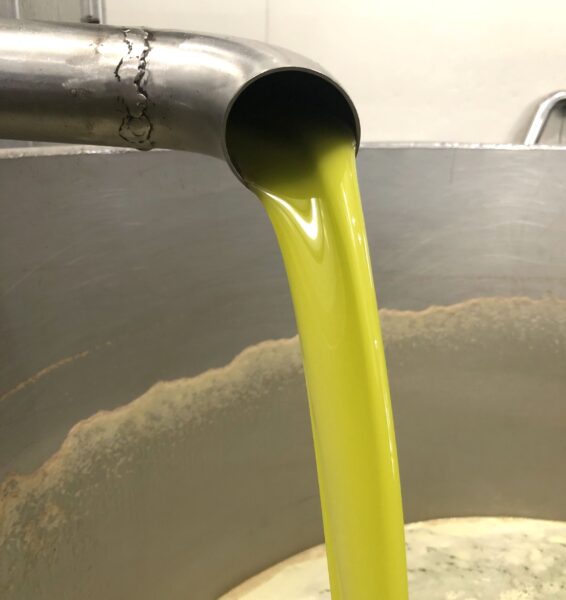
Organic Extra Virgin Olive Oil in Bulk
Organic Extra Virgin Olive Oil represents the pinnacle of premium culinary ingredients. Same as conventional EVOO, Organic EVOO delivers exceptional aroma and flavour, and a distinct peppery pungency in the throat—a direct indicator of high antioxidant content.
The core difference between Organic Extra Virgin Olive Oil (EVOO) and conventional EVOO lies entirely in the agricultural practices and chemical restrictions, as both must meet the exact same chemical purity and cold-extraction standards, as well as rich nutritional value and health benefits. Read more about Organic Extra Virgin Olive Oil:
Bulk Packaging Options
Olive Oil Certification & Producing Standards
We consolidate 15+ olive oil producers and mills, who follow the strict commercial food industry demands, have passed certifications, and have multiple olive oil awards. To see available list of certificates / regulatory requirements click here.
Contact us to discuss your requirements and find the most suitable solution for your business.
What Does Organic Mean? The Official Criteria Explained
- Soil Management: Soil fertility is maintained using natural organic compost, cover crops, and animal manure.
- Pest Control: Pests like the olive fruit fly are managed using natural traps, beneficial insects, or organic-approved compounds like clay or copper, rather than chemical sprays.
- No GMOs: Genetically Modified Organisms (GMOs) are completely banned from every stage of production.
- Traceability: Every batch can be traced back to the certified organic grove where the olives were grown and harvested.
Behind the Label: How Organic Status Is Verified?
To legally market and sell olive oil as “organic” in international B2B trade, the product must carry an official certification stamp from the target market’s regulatory body. Major Regional Certifications are
- ACO (Australian Certified Organic) – Notable for including strict resource, water conservation, and drought-resilience management specific to olive farming in arid climates.
- EU Organic (Euro-Leaf): The mandatory seal for the European Union market. It guarantees that at least 95% of the product’s ingredients originate from organic farming.
- USDA Organic: The official standard required to sell organic products in the United States, strictly regulated under the National Organic Program (NOP).
- COR (Certified Organic Canada): Canada’s national standard, which has close equivalency ties to both the USDA and the EU.
- China National Organic Standard (GB/T 19630): Highly bureaucratic. China requires its own independent, on-site audits of European or American olive groves.
Understanding Organic Pricing: Truth Behind the Costs?
Higher cost of “organic” labelled olive oils is not a marketing gimmick. It reflects growing risks, complicated production processes, and continuous certification, resulting in additional fees.
- Crop Risk and Lower Yields: without synthetic chemical fertilisers, which are strictly prohibited in organic groves, olive trees produce a lower yield per acre. Trees are vulnerable to unpredictable weather or insect outbreaks and organic farmers face a much higher risk of losing large portions of their harvest.
- Strict Separation and Milling Fees:To maintain organic certification, olives must be milled, pressed, and bottled without any cross-contamination from conventional oils. Olive mills must completely shut down, undergo a rigorous chemical-free cleaning process, and run organic batches entirely separate from conventional fruit.
- Continuous Certification and Testing Fees: Organic status is not a one-time approval. Producers must pay annual registration and inspection fees to regulatory bodies like the USDA or EU Organic program. Every single batch of organic EVOO undergoes strict laboratory testing to prove zero chemical residues exist, adding thousands of dollars in administrative costs before the oil ever leaves the estate.
Certification process steps are: Certified Organic Grove ➔ Certified Mill ➔ Accredited Inspector ➔ Organic Seal Issued. This is where additional costs come from.