
How our olive oil is produced
From October to February is the Olive harvesting season in Greece. For farms, it is critically important to have a well-organised production process to extract oil within just 1–2 days after collection, while fruits are fresh and juicy. Down below, you can see how to make olive oil on a farm, going through all the steps.
How to make olive oil from olives? There are 4 steps:
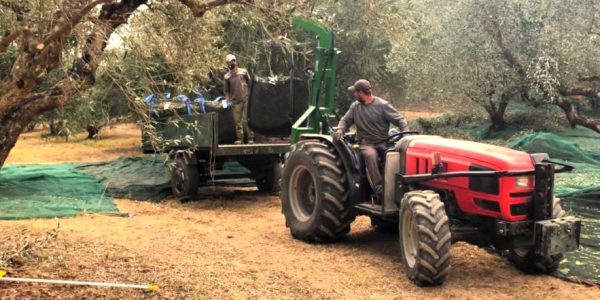
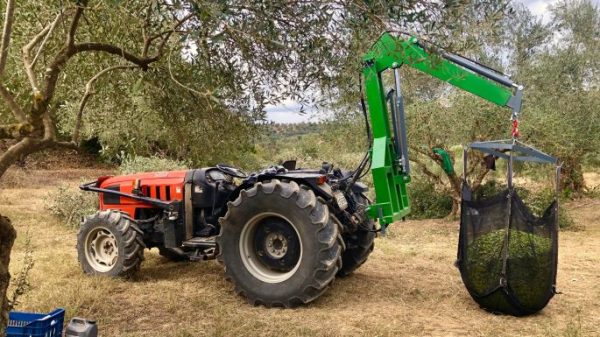
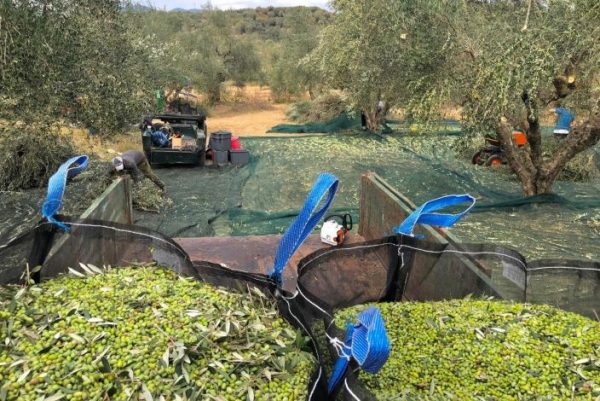
Olives are collected from trees using special vibrating rakes. Special nets are laid out under the trees beforehand. When all the olives have been collected from the tree, they are cleaned of large branches and leaves, the fruits are collected in bags and carried in large baskets for transportation to the factory.
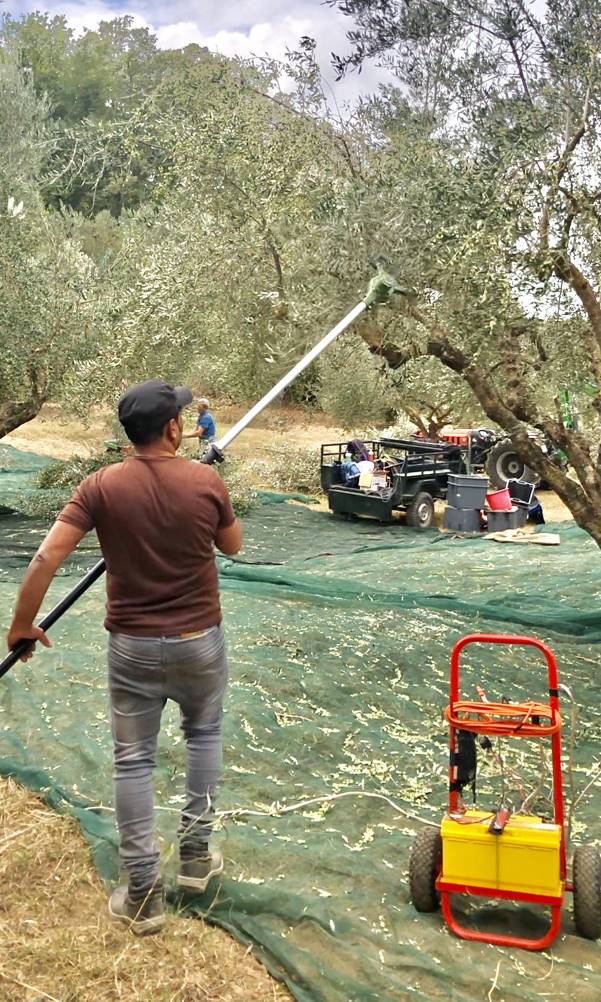
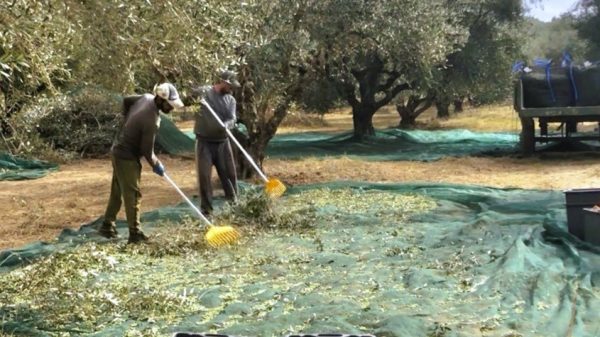
The olives are harvested entirely by hand, which is environmentally friendly and keeps the trees healthy.
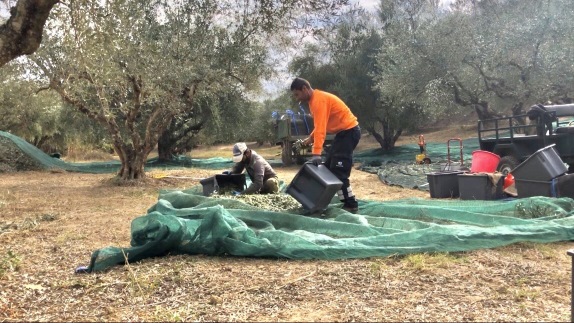
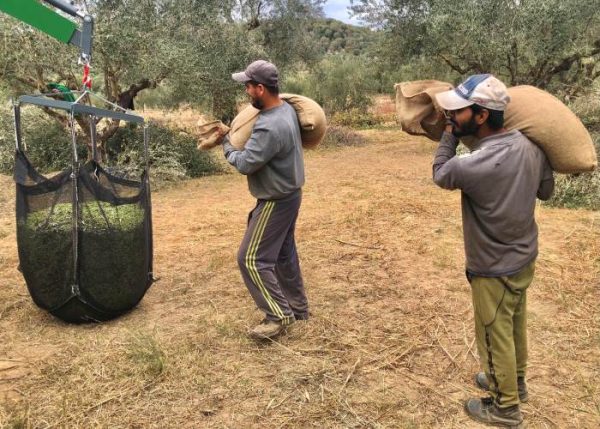
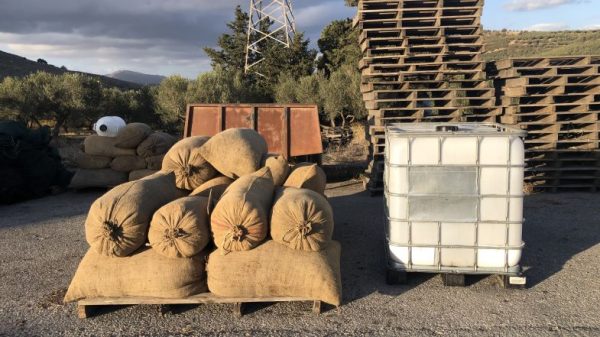
After the fruits are picked, they are loaded into special baskets onto a truck trailer. As the fruits are harvested, and when a sufficient number of bags have accumulated, a tractor transports them to the factory, where a forklift unloads them into a storage area to await further processing.
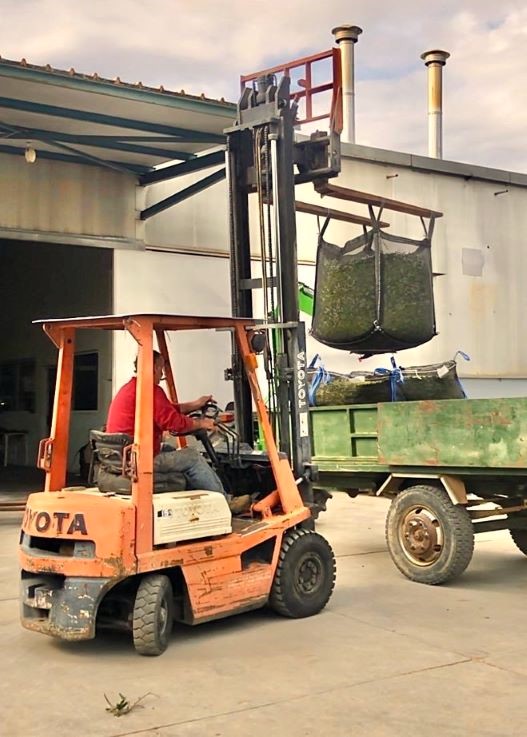
From the moment the olives arrive at the factory, the oil is pressed within 48 hours to preserve their freshness and produce high-quality oil.
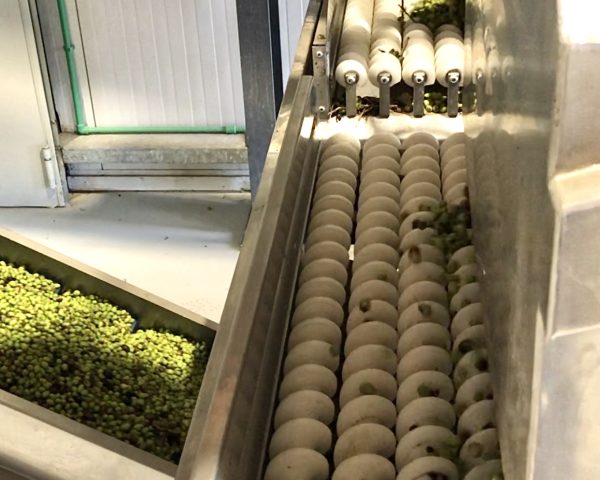
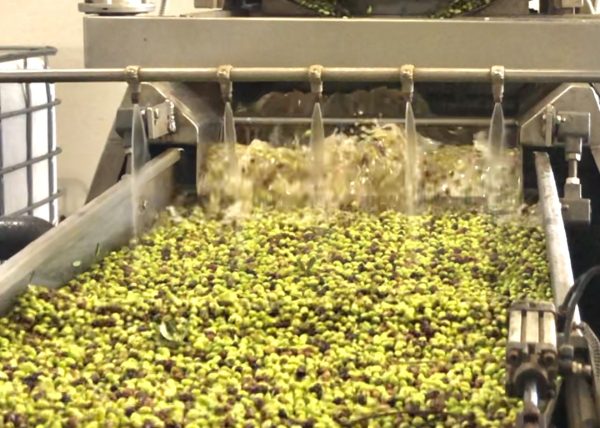
The fruit is conveyed to a sorting line, where leaves and small branches are removed using air blowers. The olives then undergo thorough washing in continuously refreshed water to eliminate dust, soil and other foreign materials. A final sorting stage removes damaged or defective olives before the clean fruit is transferred to the crusher to be milled into a fine paste.
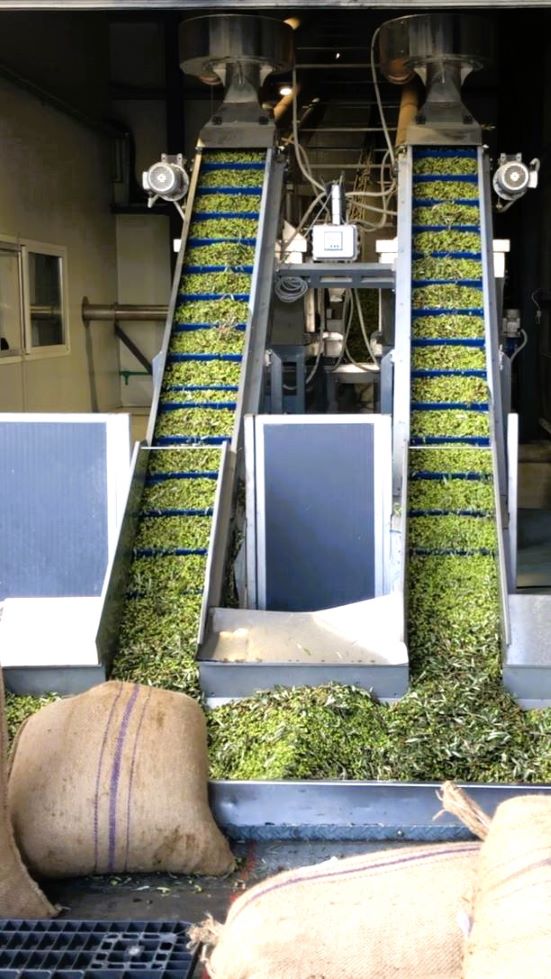
Thorough washing helps to prevent contamination and sensory defects of the final oil and increase its shelf life.
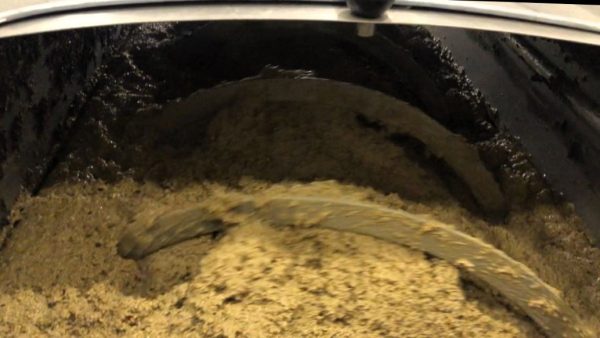
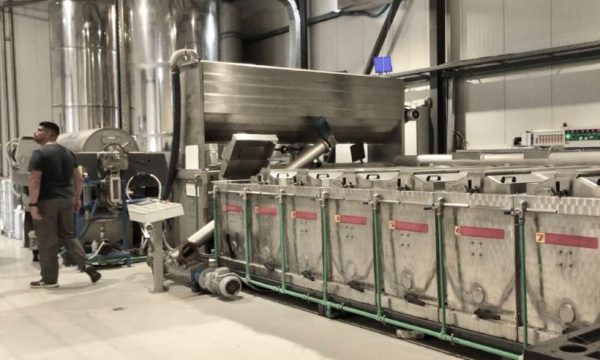
After crushing, the olive paste enters temperature-controlled malaxers where it slowly, gently and continuously kneads, allowing small oil droplets to coalesce into larger droplets. Once malaxation is complete, the paste is transferred to a decanter centrifuge. There, centrifugal force separates the output into olive oil, pomace, and vegetation water.
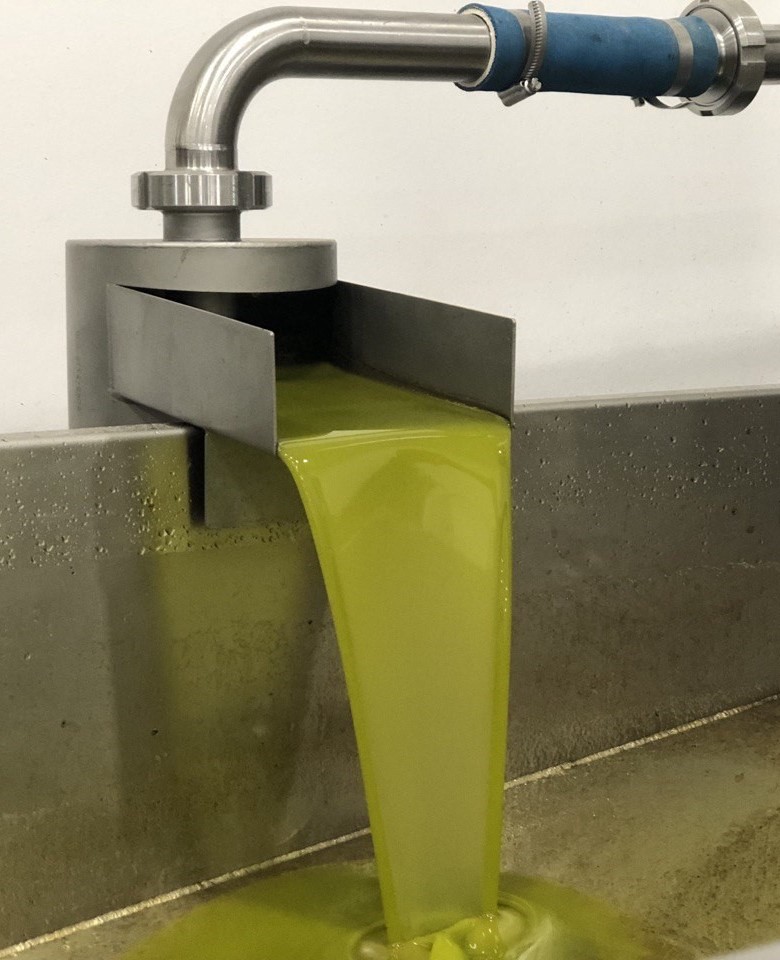
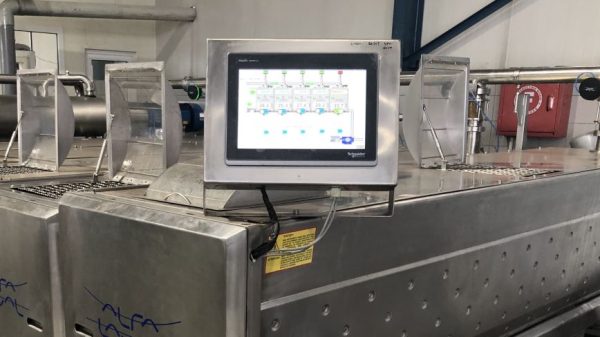
This step ensures cold extraction, controlling the temperature below 27°C to preserve the oil’s aroma and polyphenols.
After extraction, high-quality extra virgin olive oil typically left to rest in stainless-steel tanks, allowing residual moisture and sediment to settle naturally. This is a traditional, gentle clarification step. Also, it can undergo Filtration or Non-Filtration. Filtration removes moisture, waxes, and suspended solids to improve stability, shelf life, and prevent fermentation defects. Unfiltered (“veiled”) oils are less stable and must be consumed faster. Oil is stored in stainless-steel tanks at stable cool temperatures (14–18 °C), away from light and air, ensuring chemical and sensory stability before being packed or bottled.